experiences in nature
Barrea is part of the Abruzzo, Lazio, and Molise National Park, a long-standing tourist destination for both national and international visitors.
The mountainous landscape alternates peaks and valleys, the main one of which runs through the central area of the park and is crossed by the Sangro River. The area is rich in springs and streams that feed rivers and lakes, the largest of which is the artificial Lake Barrea, created in the early 1950s.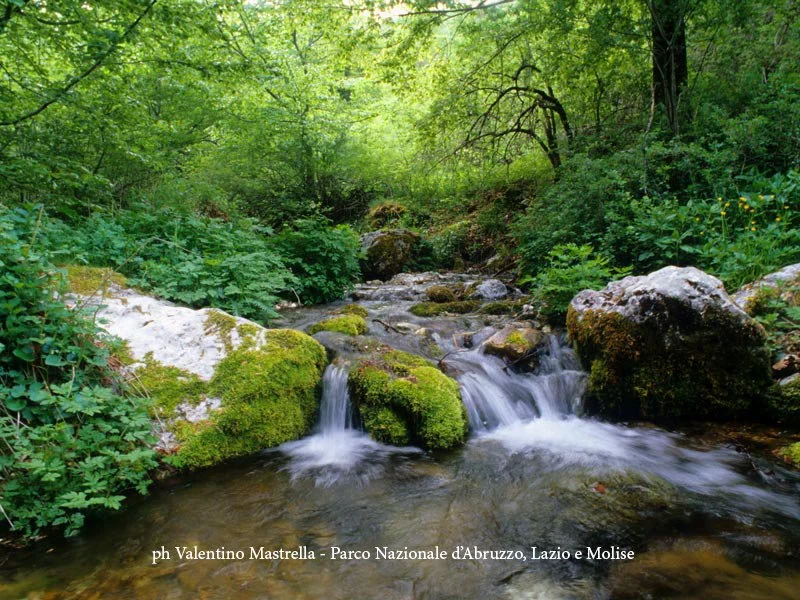
-
Over the course of its history, the National Park has managed to establish itself on the international scene thanks to its naturalistic value, developing a vocation for tourism that has replaced the tradition of transhumance.
The park authority has played a fundamental role in protecting the landscape and the territory, which today remains largely intact, home to a wide variety of flora and fauna.
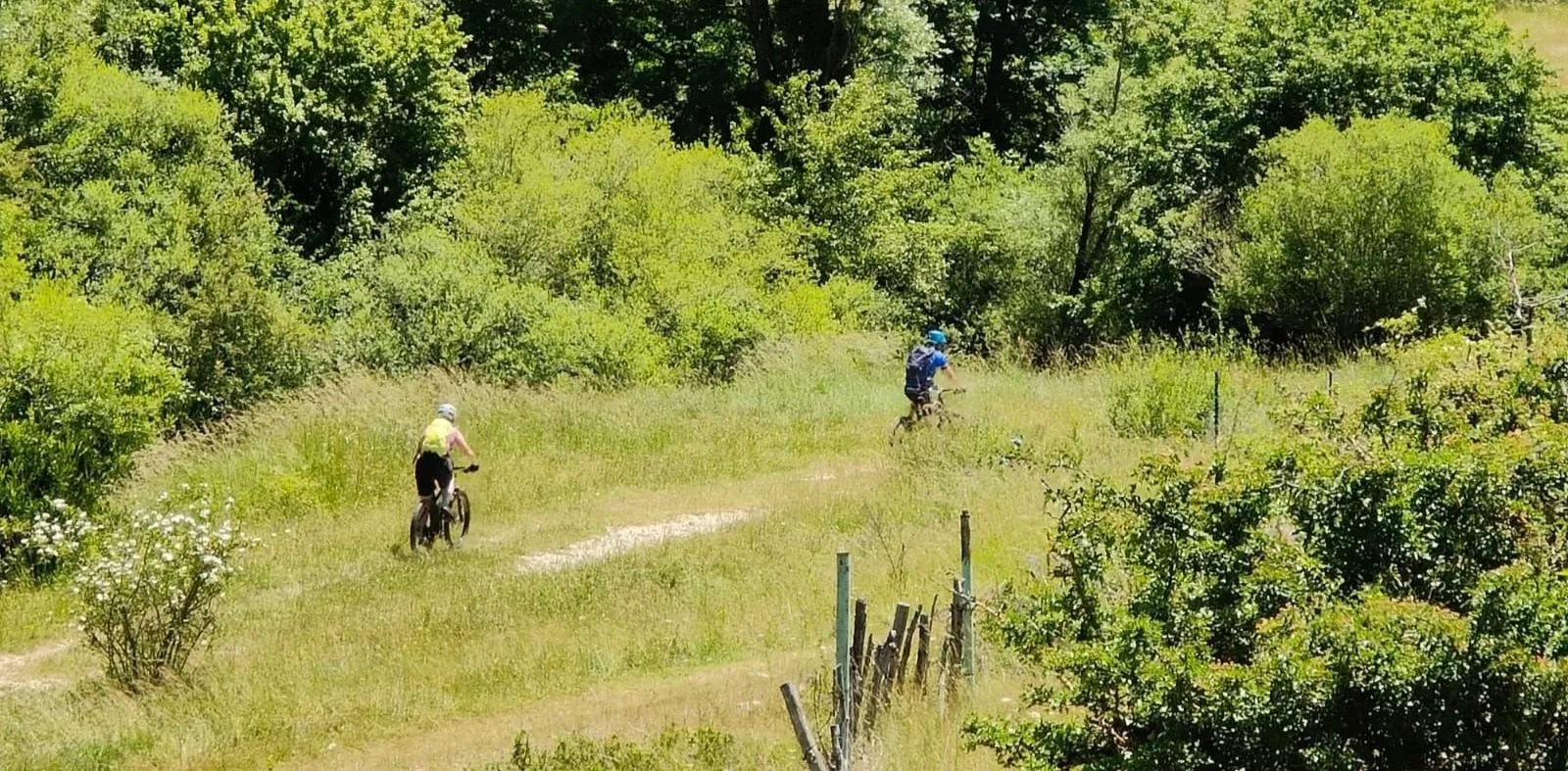
Casale sul Lago is the starting point for splendid excursions accessible to everyone, with gentle paths and the presence of perennial springs and streams.
Around the lake are several trails surrounded by mixed forests of oak, willow, and black pine where, with a bit of luck, you might encounter the local inhabitants: deer, mallard ducks, Italian hares, and at dusk even the Marsican brown bear.
Lago Vivo is a small body of water nestled between pastures and beech forests, so called because its size varies with the seasons. Its waters reflect the highest mountains in the protected area, and nearby is the Schievo Cave, inside which, when the snow melts, a waterfall forms.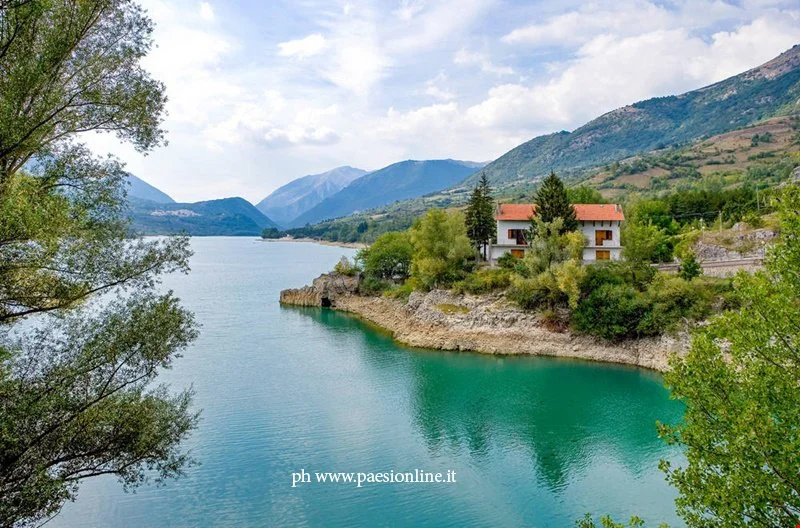
Around Lake Barrea: three charming villages overlook the lake's shores: Barrea, Villetta Barrea, and Civitella Alfedena. Several trails surround the lake, surrounded by mixed forests of oak, willow, and black pine. Along the way, you'll encounter small beaches, picnic areas, the Barrea Dam, and, with a little luck, the local inhabitants: deer, mallard ducks, Italian hares, and, at dusk, even the Marsican brown bear.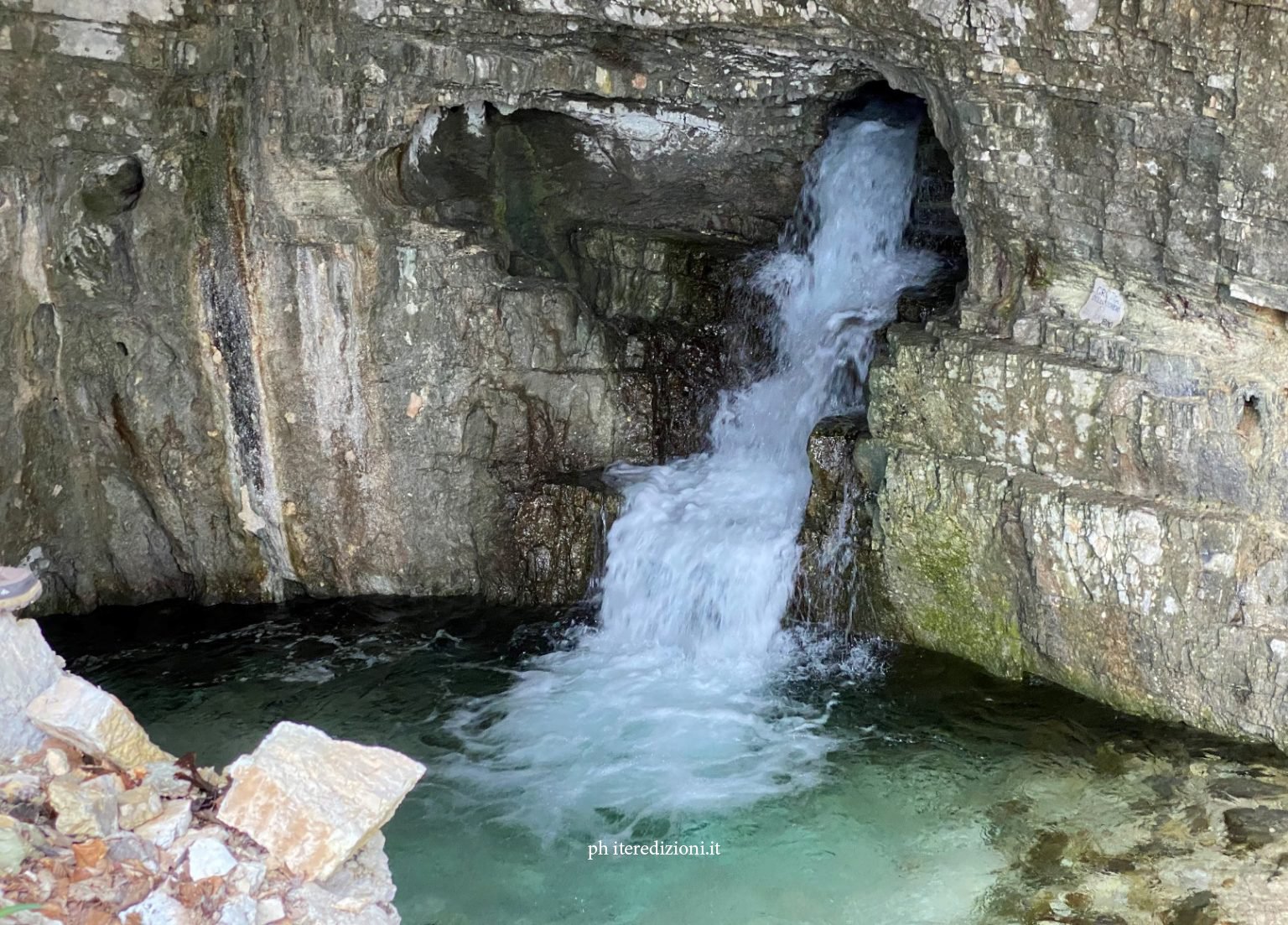
The Jannanghera Valley Spring is a pleasant hike, with very little elevation gain and a splendid view of Lake Barrea. It reaches the entrance to one of the most beautiful valleys in the Abruzzo, Lazio, and Molise National Park, and bears the ancient dialect name for the witch. We'll pass through woods and cool streams, hidden among the riparian vegetation, to discover the boundary between land and water.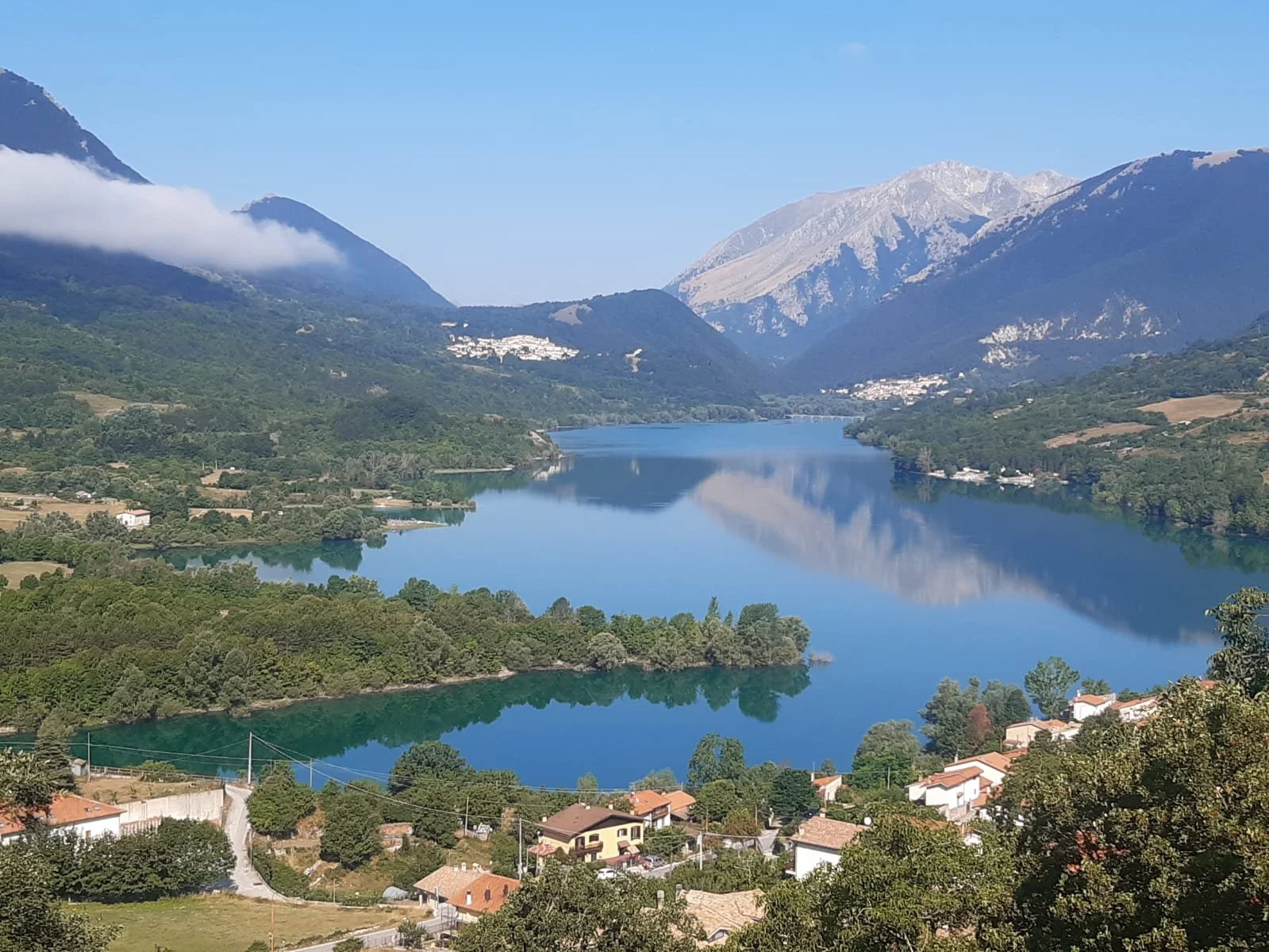
From Barrea to Civitella Alfedena: From the lake shore, following a path lined with lush willows, you reach the Ponte Vecchio. Crossing the pine forest, you reach a pedestrian walkway that leads to Civitella Alfedena. Here, you'll find the wildlife area dedicated to the Apennine wolf, where you can observe wolves in semi-freedom and, by reservation, visit the nearby museum.